Faculty of Applied Sciences Holds Academic Exchange and Explores Collaboration with Ming Chi University of Technology, Taiwan


On October 29–30, 2026, the Faculty of Applied Sciences at Ton Duc Thang University (TDTU) welcomed experts from the Battery Research Center of Green Energy (BRCGE), Ming Chi University of Technology (MCUT), Taiwan. The program aimed to strengthen academic exchange, foster research collaboration, and expand international learning opportunities for students.
The program brought together Professor Kim-Hoong Ng and Dr. Yi-Shiuan Wu, alongside faculty leaders, lecturers, and students from the Faculty of Applied Sciences. The meetings provided an opportunity for both sides to share their academic strengths, identify collaboration needs, and explore future directions in education and scientific research.
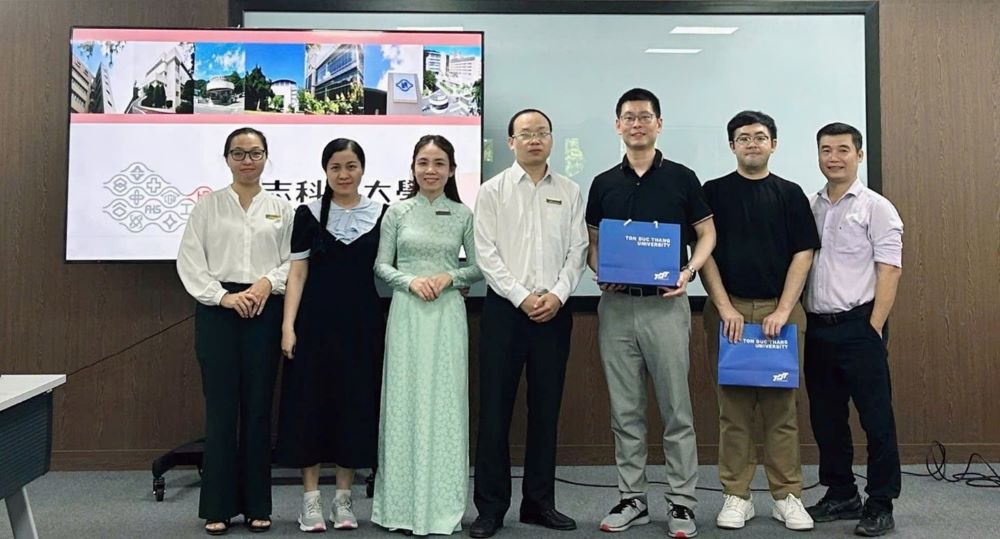
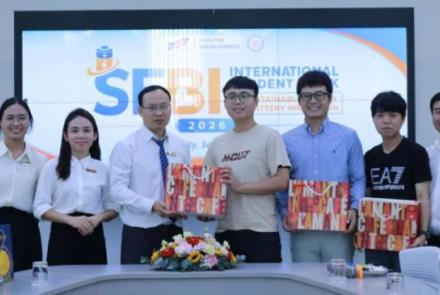
Figure 1. Representatives of the Faculty of Applied Sciences present souvenirs to the MCUT experts.
During the program, the MCUT experts introduced the university, the research environment at BRCGE, and its postgraduate programs. With an emphasis on connecting research with practical applications, BRCGE conducts activities ranging from materials development and electrode fabrication to battery assembly, performance evaluation, and pilot-scale production. These presentations gave lecturers and students a clearer understanding of research directions in energy storage materials and technologies.
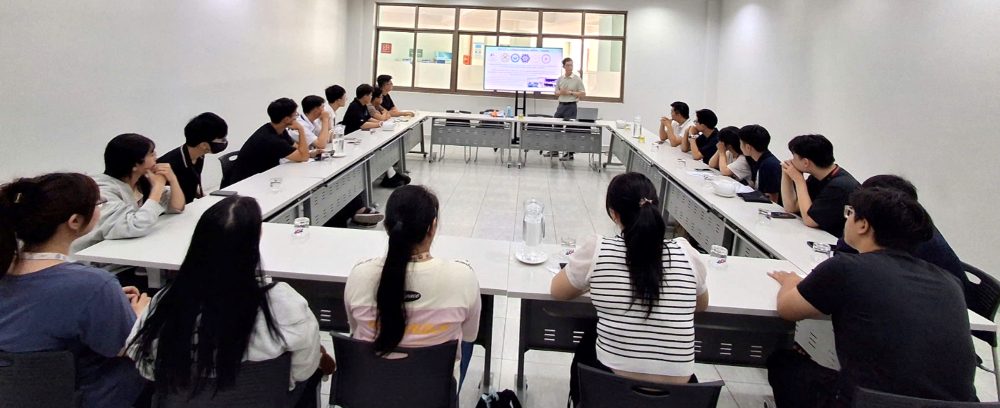
Figure 2. Dr. Yi-Shiuan Wu introduces MCUT, its research environment, and postgraduate study opportunities.
A highlight of the academic exchange that attracted student interest was the discussion of solid-state lithium batteries and fuel cells, covering materials innovation, pilot-scale production, safety assessment, and pathways to industrial applications. These topics offered insights into the connection between laboratory research and the requirements for technology deployment, while suggesting potential research questions for lecturers and students interested in energy technologies.
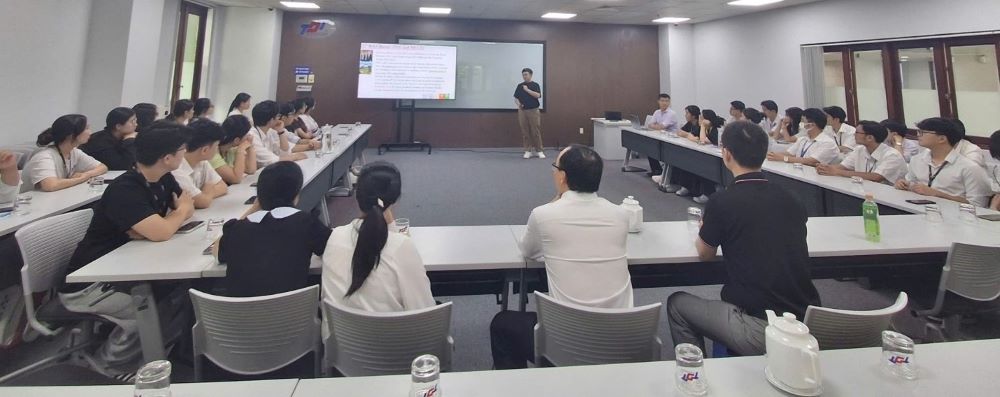
Figure 3. Professor Kim-Hoong Ng presents research on catalysis for fuel cells and hydrogen production.
In addition to the technical discussions, both sides exchanged views on education and research in chemical engineering, opportunities for joint research and international publications, and the development of bilateral research projects. They also discussed internship programs, academic exchanges, and short-term exchange opportunities for lecturers and students.
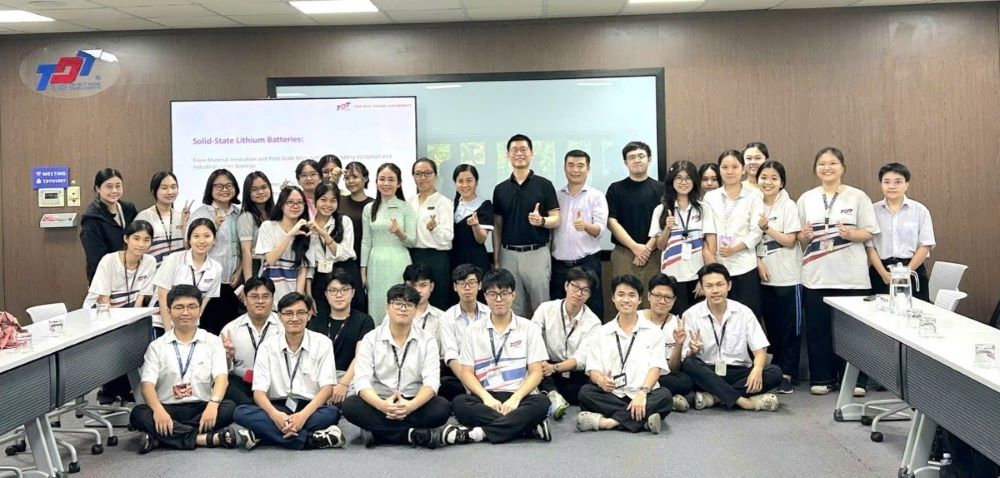
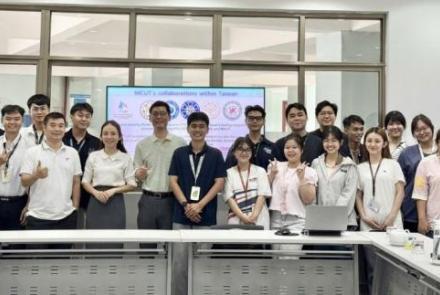
Figure 4. Lecturers and students attend the academic exchange on solid-state lithium batteries and fuel cells.
For students, the program offered an opportunity to learn about postgraduate study and scholarships at BRCGE–MCUT and to speak directly with experts about the learning environment and research directions. These interactions provided students with useful information as they prepare for further study and future careers.
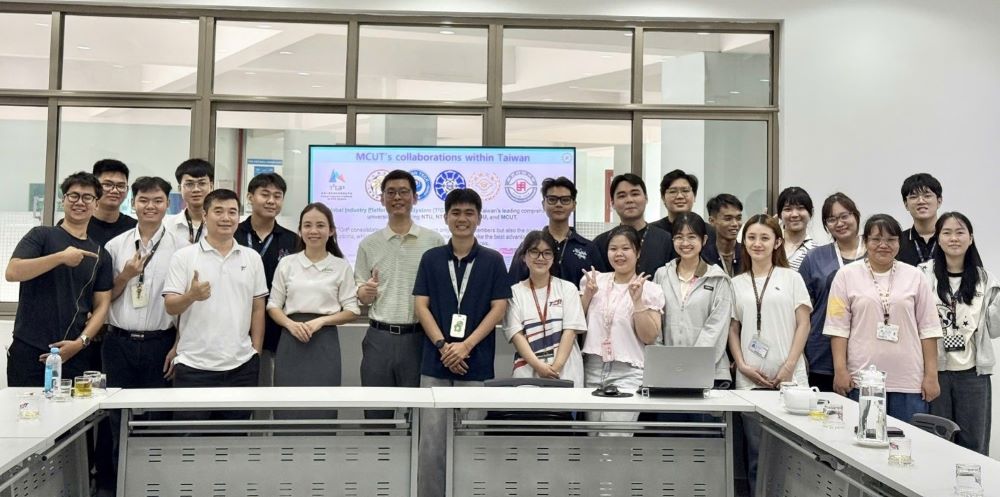
Figure 5. MCUT experts pose for a group photo with lecturers and students from the Faculty of Applied Sciences.
The visit strengthened connections between the Faculty of Applied Sciences and the MCUT experts, laying the groundwork for further collaboration in education and research. The program also contributed to expanding international academic networks and creating more opportunities for TDTU lecturers and students to engage with the international academic community.
- Log in to post comments